Breaking the boundaries between modern physics and philosophy
1. What Is Quantum Mechanics?
Quantum mechanics is one of the fundamental theories of modern physics that emerged in the early 20th century. It explains how particles in the microscopic world—such as electrons, photons, and atoms—move and interact. By addressing phenomena that classical physics could not, quantum theory reshapes our understanding of time, space, and even the nature of human existence.
2. Time: Not an Absolute Flow, but a Relational Concept
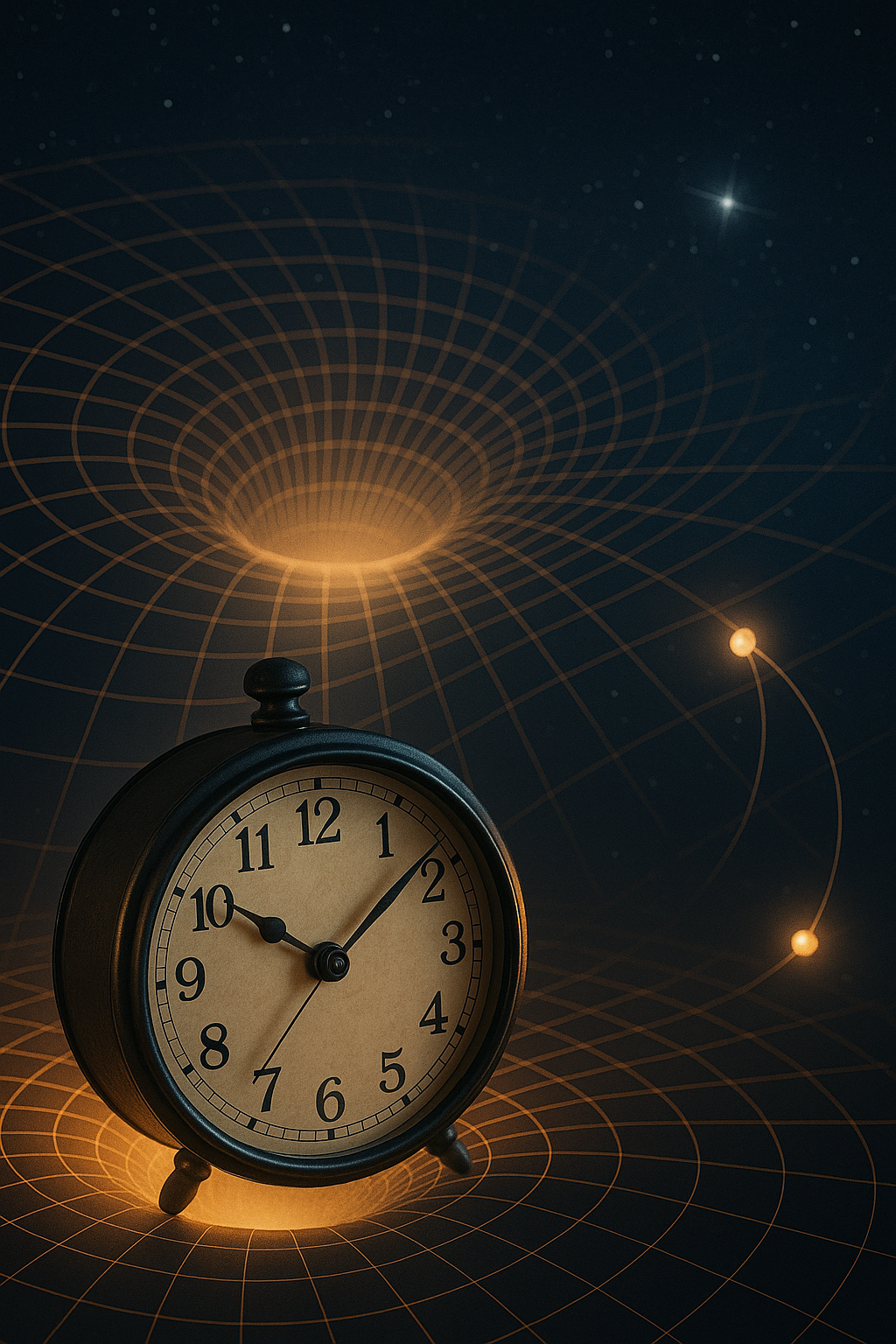
Classical physics regarded time as a linear and absolute flow. However, with the advent of quantum mechanics and Einstein’s theory of relativity, this view has fundamentally changed. Quantum entanglement demonstrates that two particles can be connected across space instantly, suggesting that time may vary depending on the observer or event, rather than being universally fixed.
3. Space: Not a Static Stage, but a Field of Probability and Waves
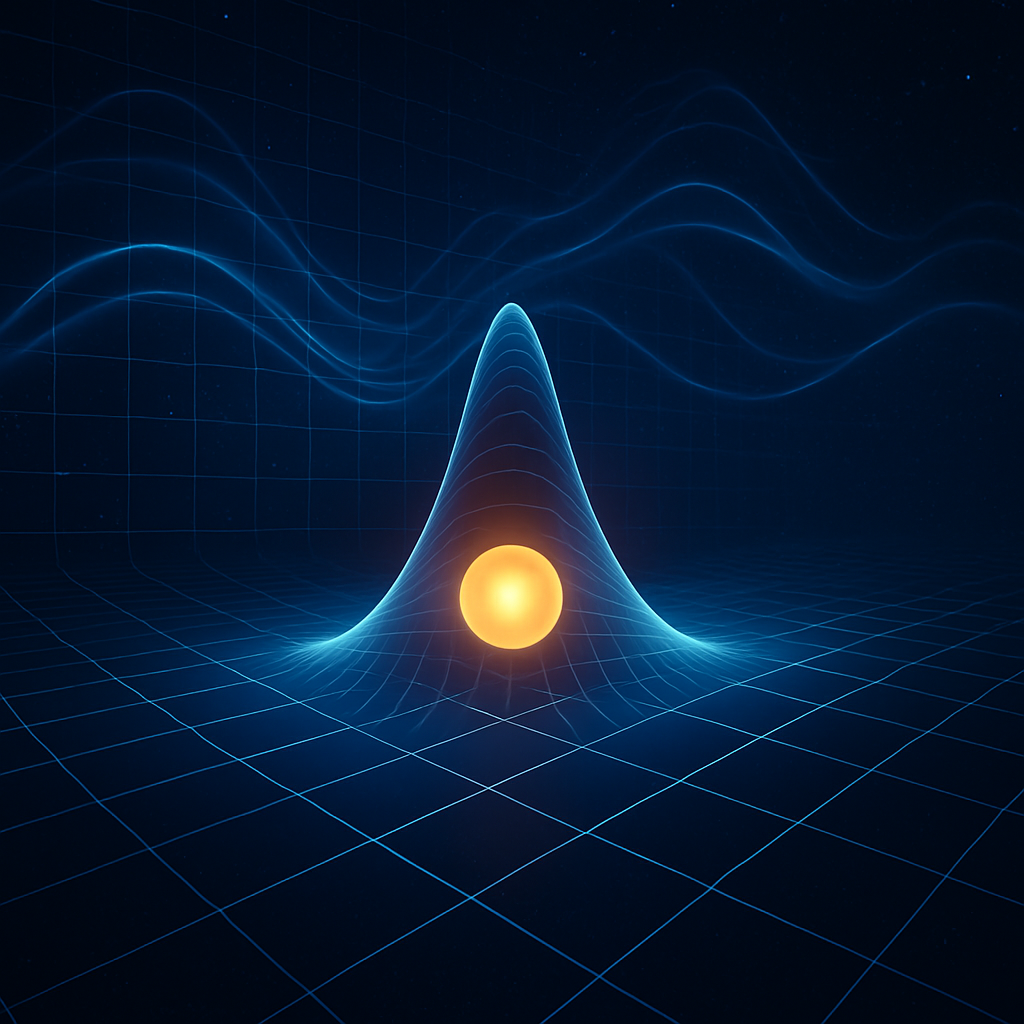
In quantum mechanics, particles are not fixed in a single location. Instead, they are represented by a wave function—a probability distribution of where they might be found. This means that space is not merely a stage where matter exists but a dynamic field filled with potentialities. Reality itself exists as a spectrum of possibilities until observed.
4. Human Beings: More Than Observers—Perhaps Creators?
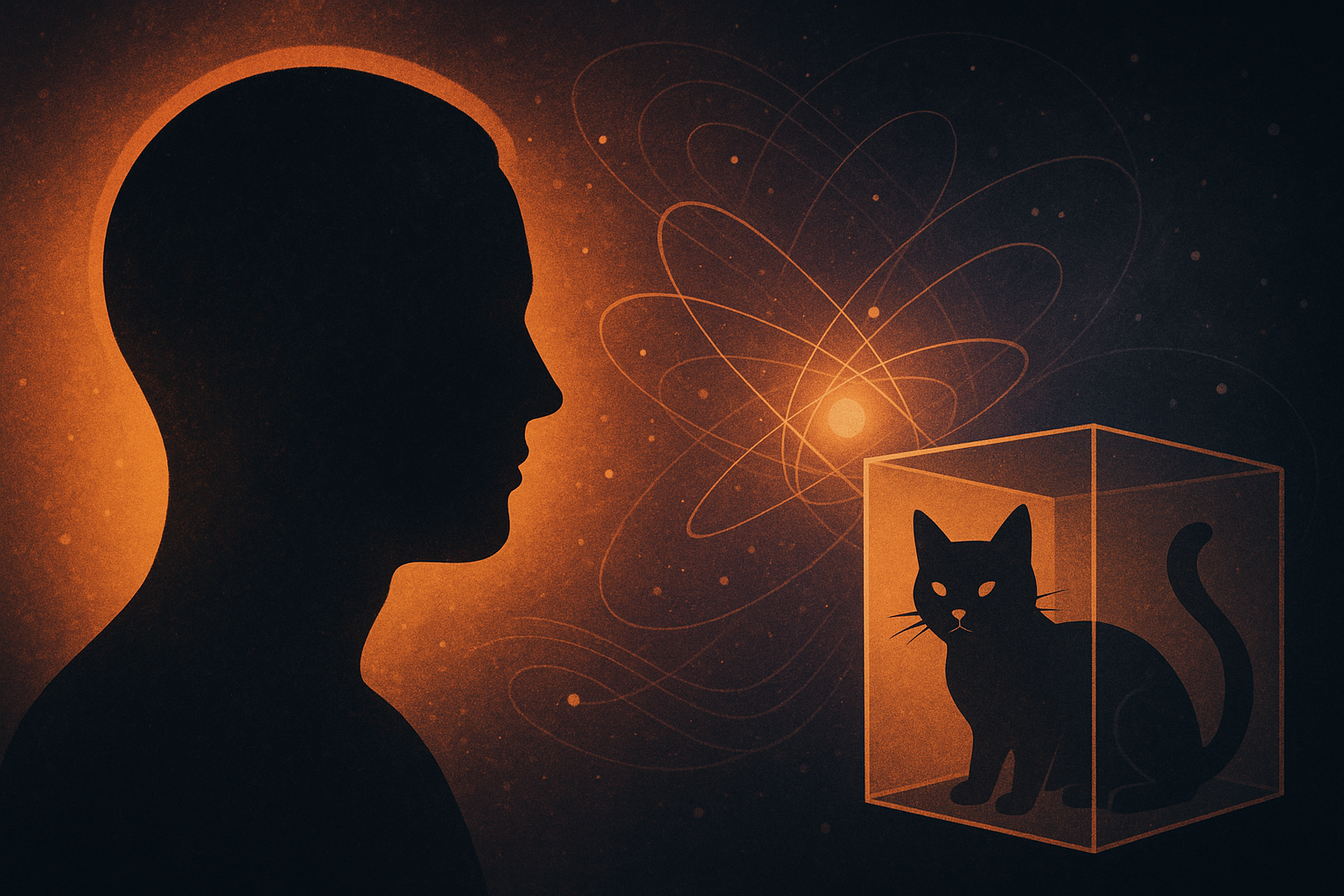
The famous Schrödinger’s cat thought experiment illustrates a core principle of quantum mechanics: observation influences outcome. Some interpretations suggest that human consciousness plays a role in determining reality. From physics to philosophy and even theology, the idea that consciousness is a central element of the universe is gaining traction.
5. Why Quantum Mechanics Matters Now
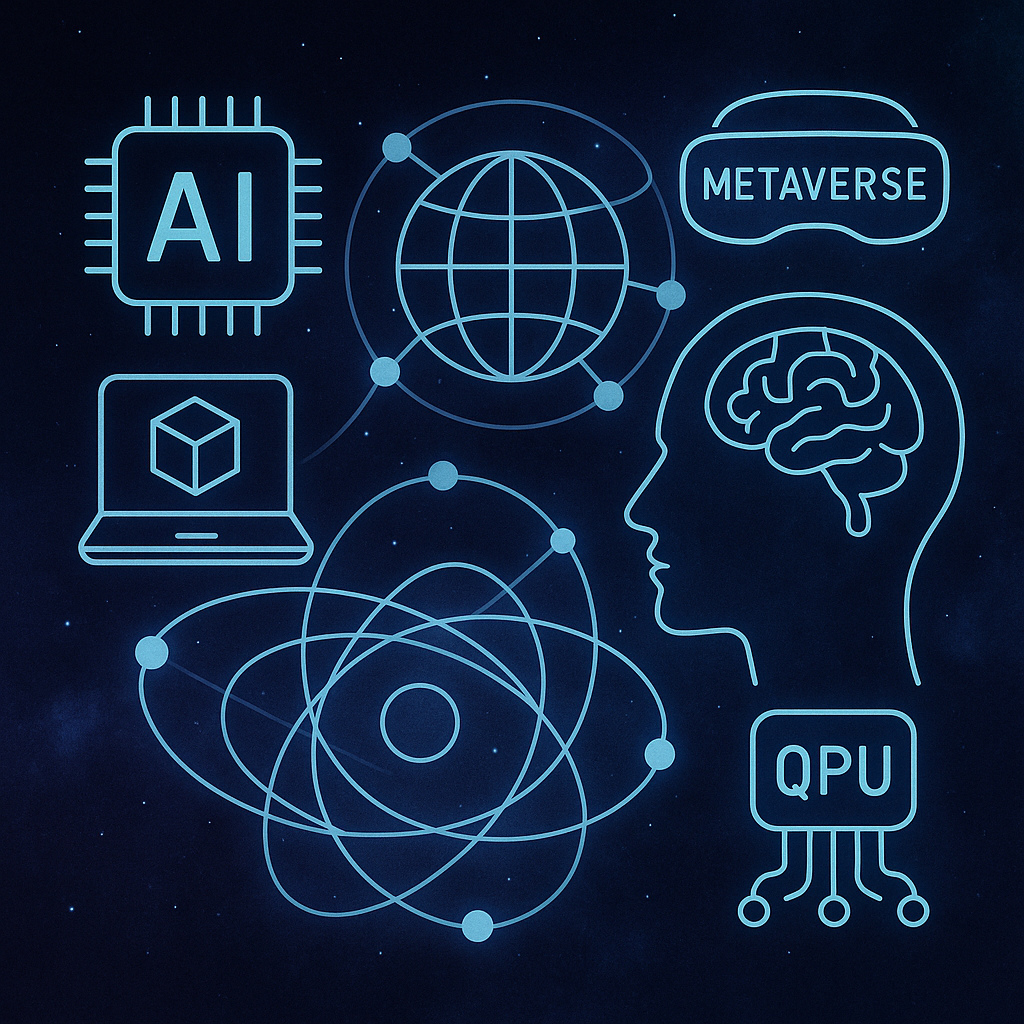
Emerging technologies like AI, the metaverse, digital twins, and quantum computing are redefining how the physical and informational worlds interact with human consciousness. Quantum mechanics sits at the center of these innovations, offering a new framework for understanding both humanity and the cosmos.
6. Conclusion: Time, Space, and Humanity Are Inseparable
Quantum mechanics is not just a scientific theory—it fundamentally alters our worldview. Time is not a stream but an experience. Space is not static but probabilistic. Humans are not mere spectators but active participants in shaping reality. This holistic understanding bridges the gaps between science, art, philosophy, and technology, heralding a new paradigm.
시간, 공간, 인간을 아우르는 양자역학의 세계
현대 물리학과 철학의 경계를 허물다 1. 양자역학이란 무엇인가?양자역학(Quantum Mechanics)은 20세기 초 등장한 현대 물리학의 핵심 이론 중 하나로, 전자, 광자, 원자와 같은 미시 세계의 입자들이
thinkingarchive.com
El Universo Cuántico: Interconectando el Tiempo, el Espacio y la Humanidad
es.thinkingarchive.com
L’Univers quantique : relier le temps, l’espace et l’humanité
Briser les frontières entre la physique moderne et la philosophie 1. Qu'est-ce que la mécanique quantique ?La mécanique quantique est l'une des théories fondamentales de la physique moderne, apparue au début du XXe siècle. Elle explique comment les p
fr.thinkingarchive.com
量子宇宙:時間・空間・人間のつながり
現代物理学と哲学の境界を打ち破る 1. 量子力学とは何か?量子力学は、20世紀初頭に登場した現代物理学の基本理論の一つです。電子、光子、原子など、ミクロな世界の粒子がどのように運
jp.thinkingarchive.com